Kitchen Secrets · August 2, 2026
Peppermint or Spearmint? A Kitchen Guide
How to choose between the bright force of peppermint and the softer green sweetness of spearmint.
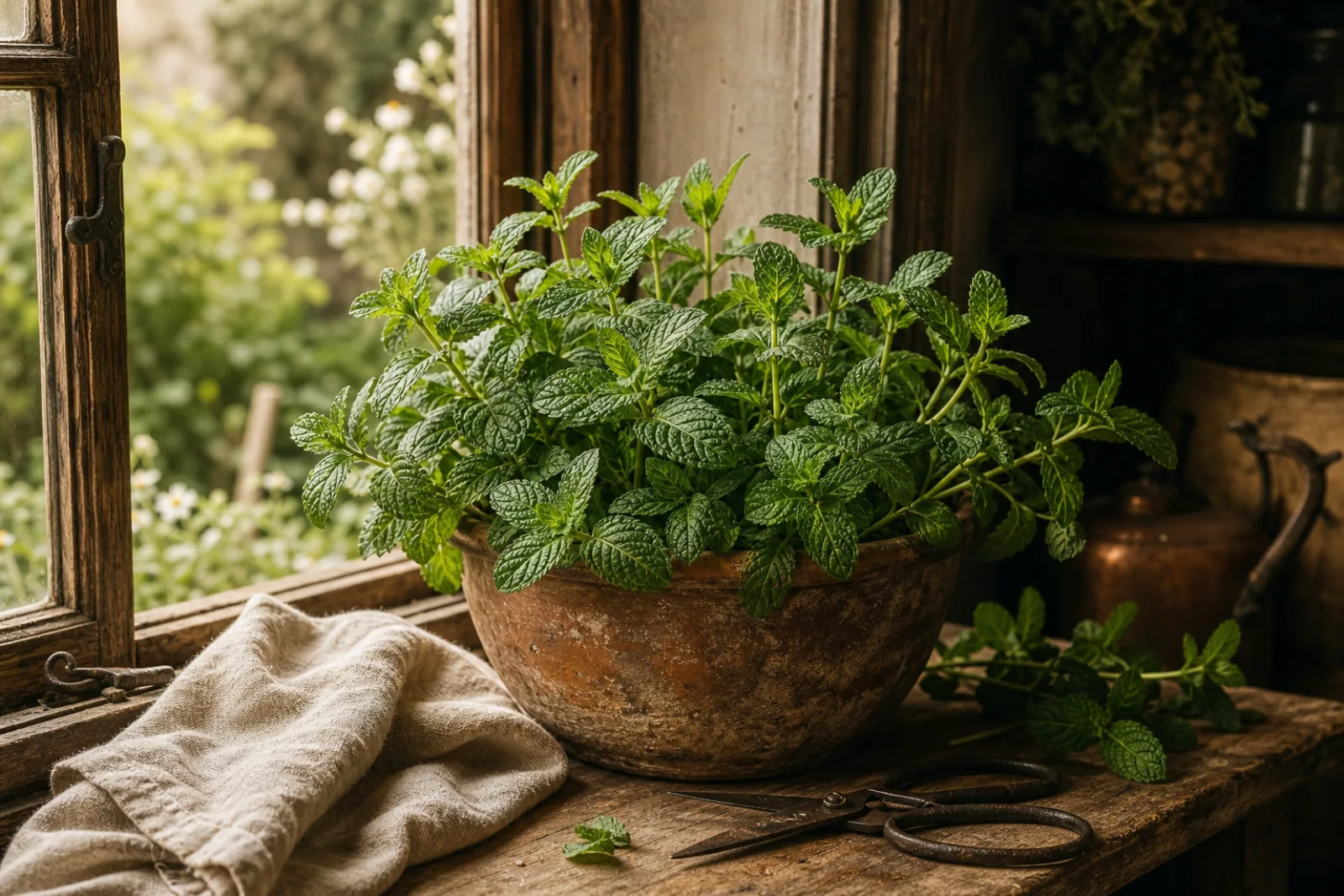
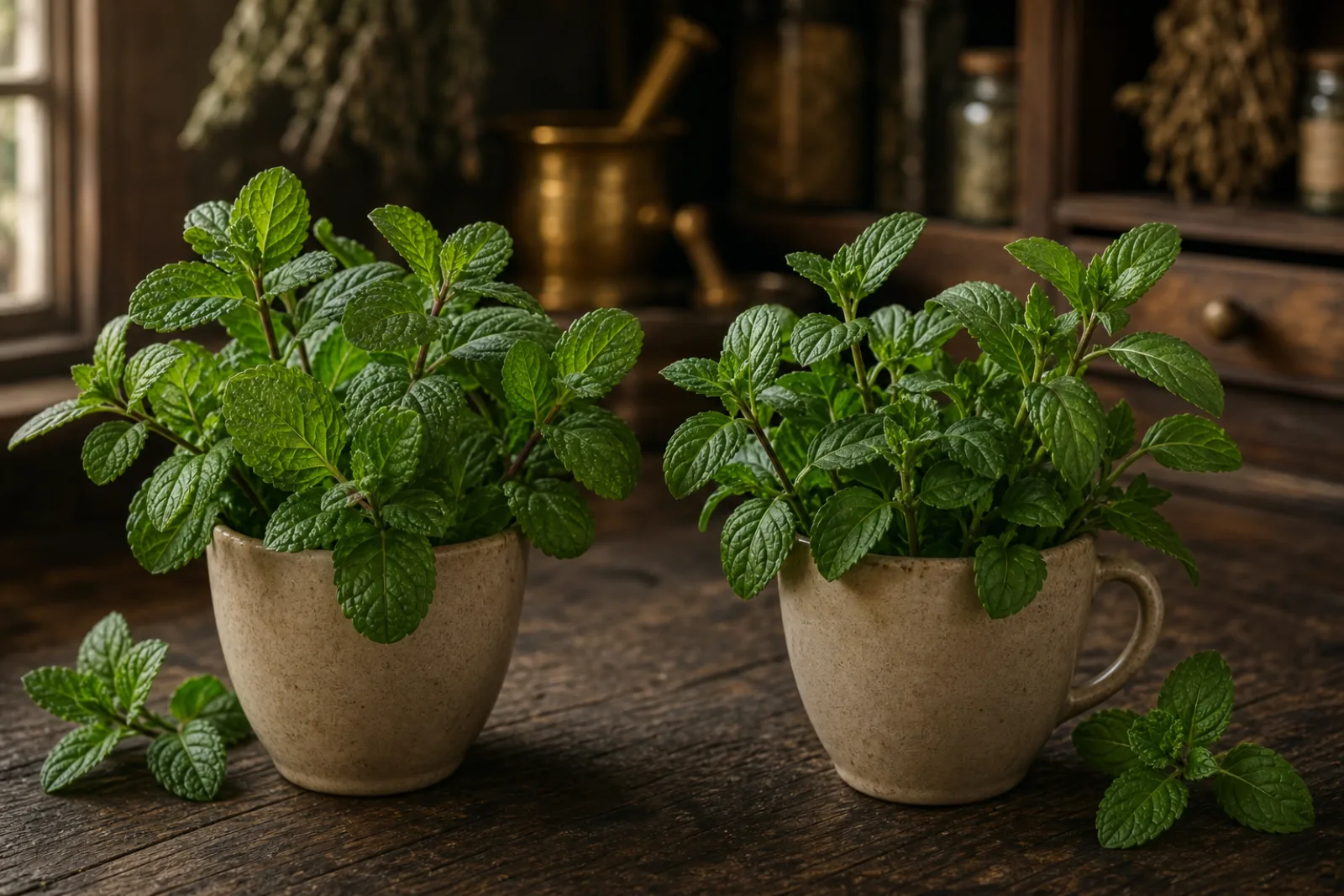
“Mint” is a useful word until you are standing in front of two pots and wondering why one smells like a cold winter window and the other like a green summer garden.
Peppermint and spearmint belong to the genus Mentha, but they are not interchangeable in every dish. Royal Botanic Gardens, Kew records peppermint as a cultivated hybrid of water mint and spearmint. It is known for its strong scent and its high proportion of menthol. Spearmint is the gentler kitchen all-rounder.
Peppermint: the bold one
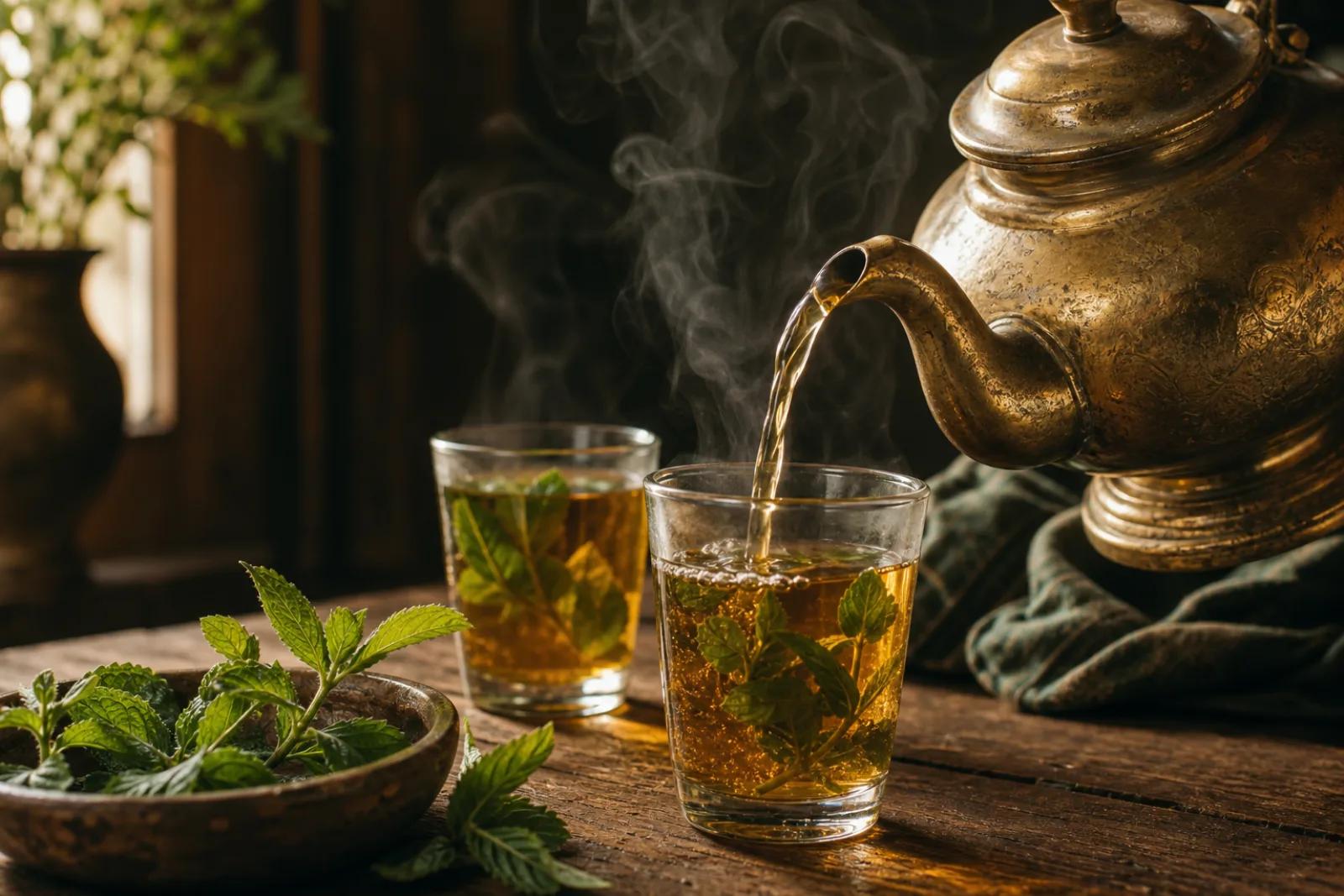
Peppermint arrives first and asks questions later. Its cooling character is easy to recognise in tea, confectionery and familiar mint flavourings. Use it when you want the mint to be unmistakable: a clear herbal tea, a dark chocolate dessert or a cold drink that needs a clean finish.
With dried peppermint, begin modestly. Dried leaves concentrate the impression, and there is no prize for making a cup that feels as though it has opinions about your toothpaste.
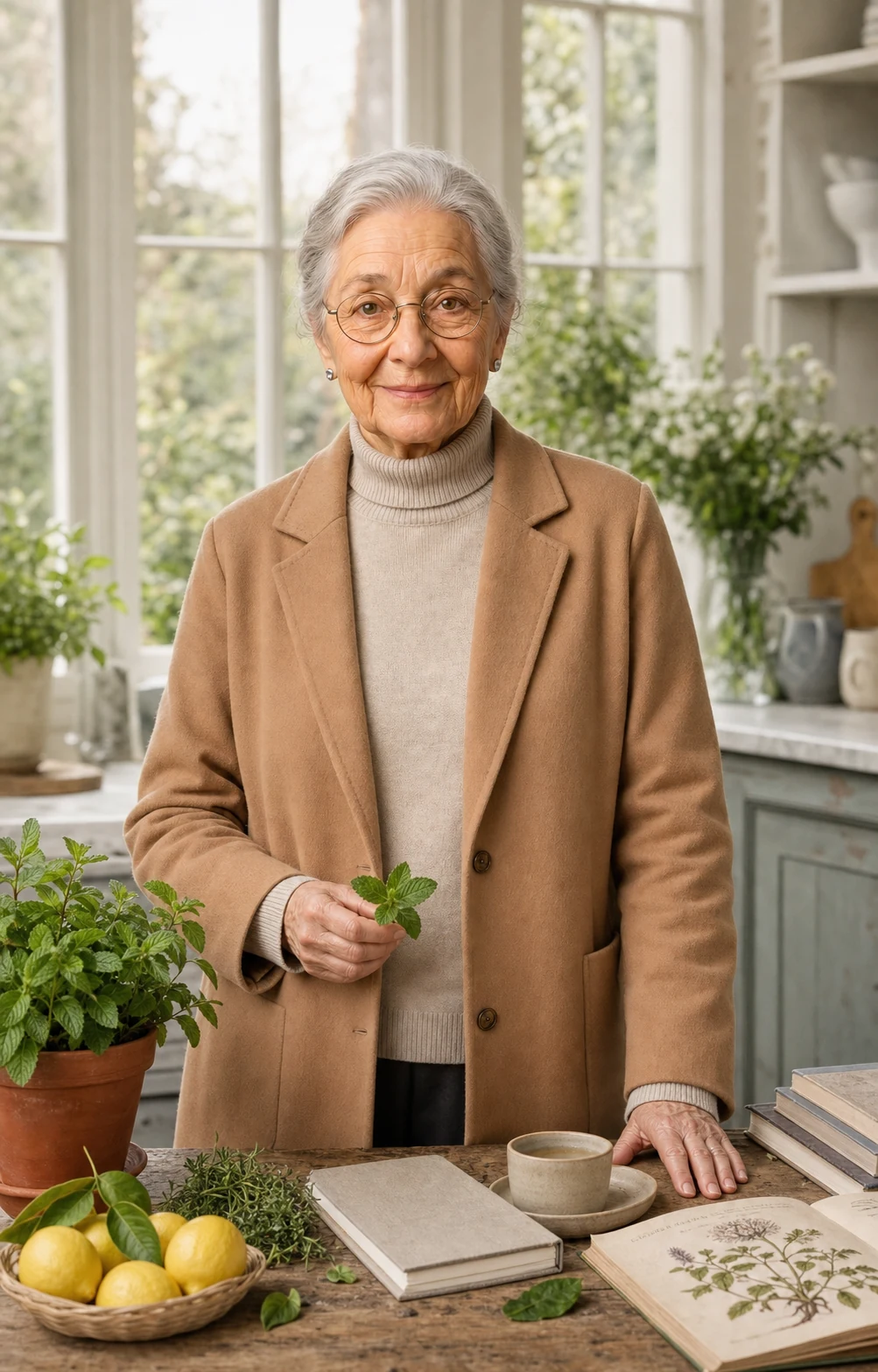
Spearmint: the kitchen diplomat
Spearmint is softer, rounder and often easier with food. The Royal Horticultural Society calls it a mint with many culinary uses and a sensible choice when there is room for only one plant. It sits comfortably beside cucumber, yogurt, peas, potatoes, fruit and green tea.
If a recipe simply says “fresh mint,” spearmint is often the calmer place to begin. Taste the leaf first. The plant is allowed to introduce itself before joining dinner.
Fresh and dried are different ingredients
Fresh leaves bring green aroma and a soft texture. Dried mint brings concentration and convenience. For a salad, fresh mint usually wins. For a pantry tea or a cooked sauce, good dried leaf can be exactly right. Replace by taste rather than by equal volume.
Sources
Royal Botanic Gardens, Kew, Mentha: https://powo.science.kew.org/taxon/urn:lsid:ipni.org:names:30016176-2/general-information
Royal Horticultural Society, How to Grow Mint: https://www.rhs.org.uk/herbs/mint/grow-your-own
Culinary guidance only. Pennyroyal is not a culinary substitute; the RHS lists it as harmful if eaten.
Old wisdom. Gentle healing. A life well lived.